
Escaping the City: Private Tour of The Cloisters
- Maria Yoon
- Mar 12
- 5 min read

Most people think a trip to the museum in New York City means fighting the humidity of the subway, dodging "Elmo" in Times Square, and then elbowing your way through the crowds at 82nd and 5th. They couldn’t be more wrong.
What if I told you there’s a place within the city limits where the sirens fade into birdsong, the glass skyscrapers are replaced by granite arches, and the air actually smells like wild herbs and ancient stone? Welcome to The Met Cloisters.
As the founder of Private Museum Tours and Arts Advisory, I’ve spent a decade showing guests the "hits" of the art world. But whenever a client asks for something truly transformative, something that feels less like a lesson and more like a time-traveling escape, I point them north to Fort Tryon Park: Private Tour of The Cloisters.
The Great Manhattan Illusion: It’s Not a Replica
The biggest misconception about The Cloisters is that it’s a "Disney-fied" recreation of Europe. It isn't. Walking through those heavy oak doors is an encounter with the real thing, it’s just been meticulously jigsaw-puzzled back together.
Between 1934 and 1939, five medieval monasteries from France were disassembled stone by stone, shipped across the Atlantic, and rebuilt on a cliff overlooking the Hudson River. When you run your hand along a column in the Cuxa Cloister, you aren't touching 1930s concrete; you’re touching pink marble carved by a monk in the 12th century.
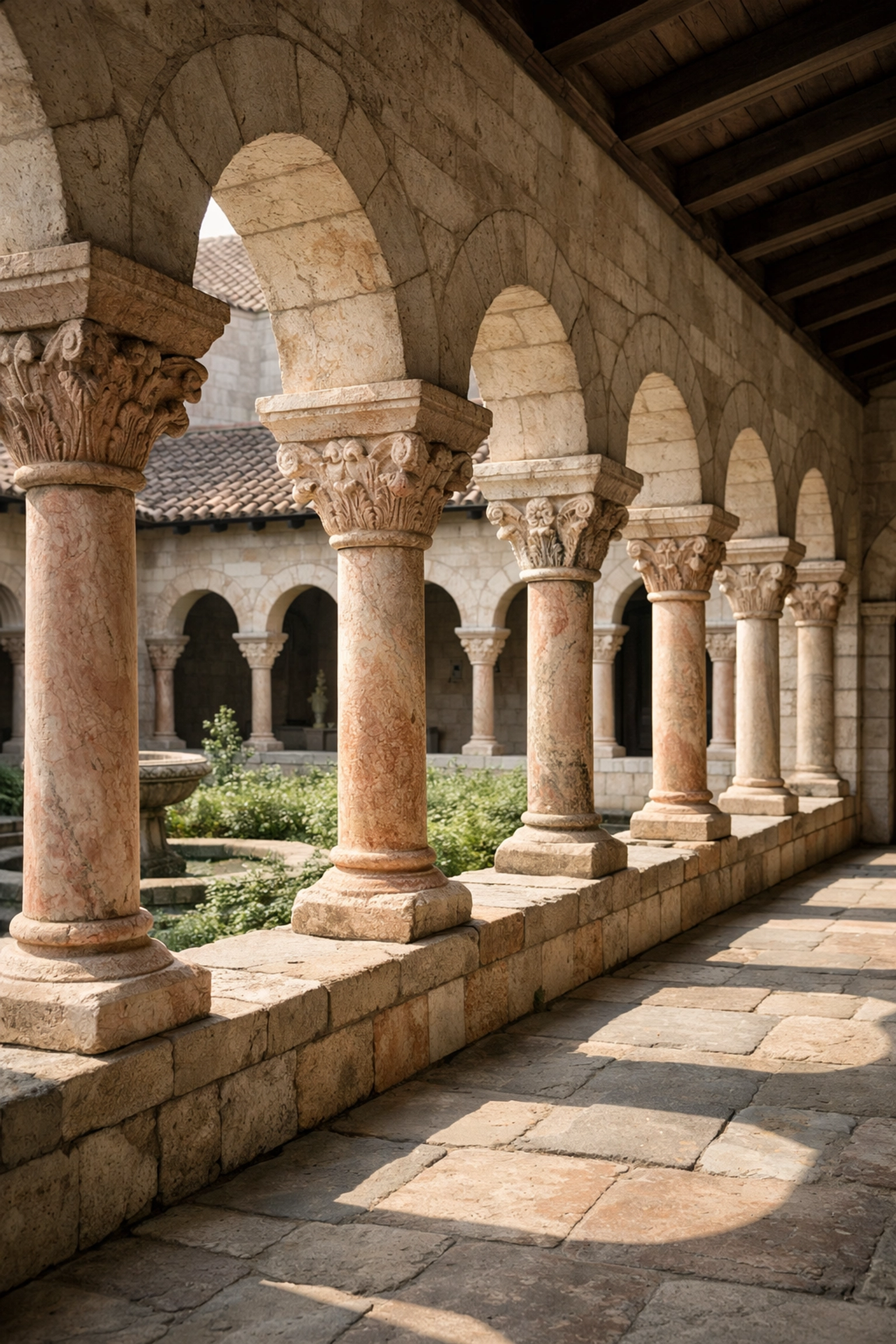
I often tell my guests that the building itself is the most significant object in the collection. Our team, many of whom are former museum staff, loves pointing out the "scars" on the stones, marks left by medieval masons that tell a story of labor and faith long before Manhattan was even a concept. It’s this kind of insider knowledge that turns a walk through a building into a narrative journey.
The Mystery of the Unicorn: Why You Need More Than an Audio Guide
You’ve likely seen the images: a white unicorn sitting inside a low wooden fence, surrounded by a field of flowers. The Unicorn Tapestries are the crown jewels of The Cloisters, and standing in front of them is a bucket-list experience for any art lover.
But here is the catch, and it’s the biggest regret I hear from solo visitors: The labels don’t tell you the real story.
Why is the unicorn bleeding? Why are there tiny hidden letters "A" and "E" woven into the background? Art historians have spent over 500 years trying to decode these symbols, and frankly, a standard audio guide barely scratches the surface.
When you book one of our private museum tours nyc, we don’t just give you the dates. We dive into the "gossip" of the 15th century. We talk about the wool, the silk, and the metallic threads that took years to weave. We help you see the world as a medieval person would, a world where every flower and every animal had a secret spiritual meaning.

Living History: The Gardens of Fort Tryon
If the tapestries represent the height of medieval art, the gardens represent the pulse of medieval life. The Cloisters features three distinct gardens, Cuxa, Bonnefont, and Trie, each planted according to historical manuscripts and poetry from the Middle Ages.
Imagine walking through the Bonnefont garden, where over 250 species of plants are grown exactly as they would have been in a 14th-century abbey. You’ll find mandrake (yes, the one from Harry Potter), poisonous belladonna, and herbs used for everything from curing headaches to dyeing royal robes.
It is a sensory overload in the best way possible. The smell of lavender and rosemary in the spring is enough to make you forget you’re just a few miles from the George Washington Bridge. While the museum's horticulturalists are world-class, they aren't always there to explain why a certain plant was considered "holy" or "devilish." That’s where our expert team comes in, bridging the gap between botany and belief.
The "Hidden" Gems (Literally)
While the Unicorn Tapestries get all the glory, there are treasures tucked away in the smaller galleries that most people walk right past. Don't be that person.
For instance, in Gallery 13, there is a deck of cards. But it’s not just any deck: it’s the world’s only known surviving set of 15th-century playing cards. They are hand-painted, delicate, and frankly, a miracle that they survived five centuries of shuffling.
Then there is the Hours of Jeanne d'Evreux, a tiny prayer book so small it fits in the palm of your hand, yet every page is filled with microscopic, breathtaking detail. Without a guide to point out the cheeky "doodles" in the margins (known as drolleries), you’d miss the medieval sense of humor that makes these objects feel human and relatable.

Why a Private Tour is the Only Way to Do The Cloisters
I’ll be honest: The Cloisters can be overwhelming. The layout is a labyrinth, intentionally designed to mimic the wandering paths of a monastery. If you’re trying to navigate it with a map in one hand and a phone in the other, you lose the magic.
Our guided museum tours are designed to be a "valet service" for your brain. We handle the logistics: knowing exactly which galleries are quietest at 11:00 AM, where the best view of the Hudson is hidden, and even which nearby spots in Washington Heights serve the best post-tour lunch.
Ready to step behind the velvet rope? Here’s what sets a private museum tour nyc apart:
Zero Jargon: We speak like humans, not textbooks.
The "Staff Hack": Because we’ve worked in these institutions, we know the "hidden" entrances and the best times to avoid the school groups.
Tailored Pace: If you want to spend 45 minutes staring at one tapestry, we do it. If you want to breeze through the tombs to get to the gardens, we’re with you.
Planning Your Great Escape
If you’re ready to trade the concrete jungle for a morning of medieval mystery, here are my top three "Maria-approved" tips for your visit:
Look Up and Down: The floors and ceilings are often as old as the art on the walls. Don't forget to check out the Spanish lusterware tiles under your feet.
The Golden Hour: If you can, visit on a weekday afternoon. The way the light hits the stained glass in the Gothic Chapel as the sun begins to set over the Hudson is, quite literally, divine.
Combine the Experience: Don't just see the art. Walk through Fort Tryon Park afterward. It was designed by the Olmsted brothers (who did Central Park), and the Heather Garden is one of the most romantic spots in all of Manhattan.
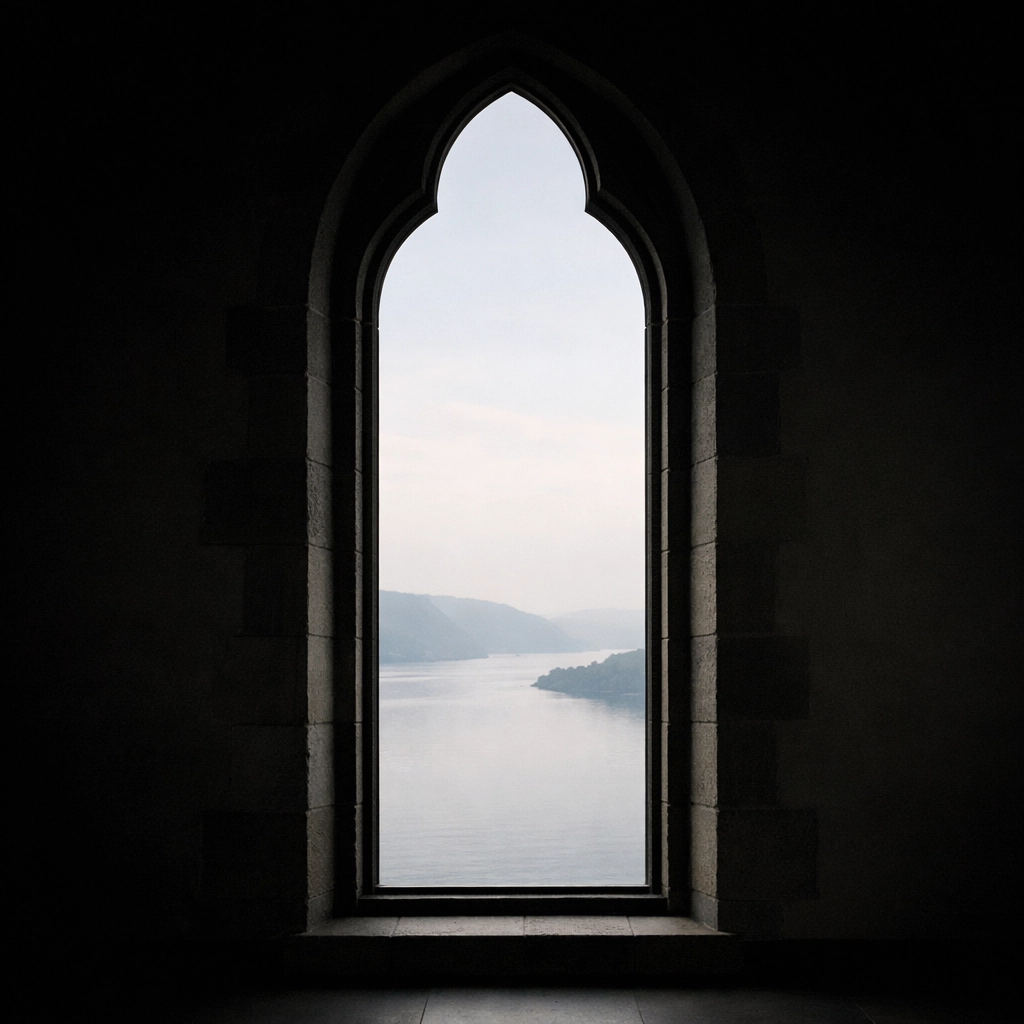
Whether you are a lifelong New Yorker or visiting for the first time, The Cloisters offers a kind of quiet exclusivity that is increasingly hard to find. It is a place for reflection, for wonder, and for uncovering secrets that have been hidden in plain sight for centuries.
Are you tired of the "standard" tourist experience? Ready for a deep dive into the soul of the Middle Ages without leaving the 212? Contact us today to book your private journey. Let’s leave the city behind for a few hours and discover what’s waiting for you in the stone.
Interested in more NYC art secrets? Check out our comparison of The Met vs. MoMA or explore our Art Advisory services for the savvy collector.


Comments