
Search this site
39 results found with an empty search
- Forget Everything You Were Taught About Pollock: Why Lee Krasner Was the Real Mastermind at The Met
Lee Krasner in her studio If you’ve ever taken an art history class, you’ve probably heard the classic story: Jackson Pollock was the tormented, lone-wolf cowboy of Abstract Expressionism who revolutionized modern art on a barn floor in Long Island while his devoted wife kept his life from falling apart. Discover Lee Krasner & Jackson Pollock at The Met: The Real Story. Well, I just spent the afternoon walking through Krasner and Pollock: Past Continuous at The Metropolitan Museum of Art, and let me tell you—that old narrative feels completely outdated. This knockout exhibition (on view through January 31, 2027) doesn't just put Lee Krasner alongside Pollock; it completely resets the record. Standing in front of these canvases, you see instantly that Lee Krasner was never standing in anyone's shadow. She was an intellectual force, a fierce negotiator, a fierce protector, and an absolute powerhouse painter in her own right—whose formal precision and relentless evolution pushed American modernism into uncharted territory. Here is the real story of Lee Krasner—the brilliant woman who shaped Abstract Expressionism, held everything together, and painted circles around the critics. Older, Smarter, and Completely Unbothered by Men First, let's clear up a major myth about their relationship dynamic. Lee Krasner wasn't some naive young student swooning over a tortured genius. Born Lenore Krassner in Brooklyn in 1908, she was actually four years older than Jackson Pollock (who was born in 1912). Lee Krasner's Collage/Paintings That age gap mattered. By the time she met Jackson, Lee was already a seasoned, savvy veteran of the New York art world. Lee was completely comfortable in her own skin. She naturally loved surrounding herself with men—not to aggressively compete with them, but because she craved intense intellectual debate, sharp artistic dialogue, and real creative camaraderie. Men were her peers, her colleagues, and her love interests. Long before Jackson Pollock ever entered the frame, Lee had a deep, decade-long relationship with the Russian-born painter Igor Pantuhoff. They lived and painted together throughout the bohemian hustle of 1930s Greenwich Village. When that relationship ended, Lee didn't pine away; she emerged fiercely independent, confident, and utterly devoted to her art. Lacking Cash for Models? She Joined the Vanguard Instead One of my favorite stories about Lee’s sheer grit happened in the late 1930s. Like almost every artist scraping by during the Great Depression, she was broke and couldn't afford the fees to hire live studio models for private figure drawing. Did she throw up her hands? Absolutely not. Instead, she enrolled at the renowned school run by German émigré master Hans Hofmann. Hofmann’s studio offered live models, but more importantly, it was the intellectual nerve center for European modernism in New York. Hofmann taught Cubist structure, spatial tension, and his famous theory of "push and pull"—how color and form interact dynamically on a flat canvas. Lee mastered Hofmann’s rigorous mechanics so thoroughly that Hofmann once famously looked at her drawing and exclaimed: "This is so good you would not know it was done by a woman." (A classic 1930s backhanded compliment, but it proved she was operating far ahead of her male contemporaries!) The John Graham Connection & That Unforgettable First Studio Visit So how did Lee and Jackson actually cross paths? In 1941, the influential artist and theorist John Graham was curating a high-profile show called French and American Paintings at the McMillen Gallery. He wanted to hang emerging American talents right alongside European heavyweights like Picasso, Matisse, and Braque. Graham invited Lee to participate. Looking over the roster of fellow American artists, Lee noticed a name she didn't recognize: Jackson Pollock. Being the proactive person she was, Lee didn't wait for an opening night intro. She marched straight over to his Eighth Street studio in Greenwich Village, knocked on the door, and demanded to see his work. When she saw his raw, visceral, energetic canvases, she was instantly floored. She recognized a wild, untapped genius—and immediately brought him into her inner circle of top-tier artists, critics, and gallery owners. The $2,000 Deposit That Saved American Art History By 1945, New York City was swallowing Pollock whole. His heavy drinking and emotional volatility were destroying his health, and Lee knew that if he was going to survive—and if either of them was going to make serious art—they had to get out of Manhattan. She set her sights on a rural 19th-century farmhouse in The Springs, East Hampton, Long Island. There was just one massive problem: they didn't have a dime. Jackson Pollock's Installation View This is where Lee’s genius as a negotiator shines. She went straight to the legendary art patron and gallery owner Peggy Guggenheim, who had Pollock under contract. Lee persuaded Guggenheim to lend them the $2,000 deposit needed to buy the Long Island home by deducting it from Jackson’s monthly gallery stipend. That single move changed art history. In the peaceful barn on Long Island, Pollock laid his canvases on the floor and invented his iconic drip technique. Meanwhile, Lee set up shop in a tiny upstairs bedroom, creating her astonishing Little Images series (1946–1950)—tight, jeweled, grid-based masterworks that matched Pollock’s scale in sheer conceptual innovation. Caretaker, Negotiator, and Art Beyond Gender Living with Pollock wasn't easy. Lee was his anchor, caretaker, business manager, and primary emotional support. She dealt with dealers, managed chaotic finances, and shielded his fragile psyche so he could create. But never let anyone tell you she was just a "supportive wife." Lee’s own artistic identity existed completely beyond male or female boundaries. She hated being condescended to as a "woman painter." She often signed her canvases with the gender-neutral initials "L.K." so critics would judge her work strictly on its raw visual power, spatial rhythm, and technical brilliance. Night Watch by Lee Krasner, 1960 When Pollock died in a tragic car crash in 1956, Lee made a monumental decision. She moved out of her small bedroom studio and reclaimed the large barn space for herself. Working through profound grief and insomnia, she created her legendary Umber Series (1956–1959)—sweeping, explosive, massive canvases in raw earth tones that stand among the most powerful Abstract Expressionist paintings ever made. Questions to Take With You to The Met When you walk through the Met galleries, here are two questions to keep in mind: When you compare Krasner's controlled, jeweled "Little Images" to Pollock's sweeping drip paintings, do you see two artists arguing with each other—or two minds having a continuous conversation? How does knowing Lee was the negotiator, business mind, and intellectual anchor change the way you see the "heroic" myth of mid-century American painting? Experience The Met Like an Insider with Private Museum Tours The exhibition Krasner and Pollock: Past Continuous is open at The Metropolitan Museum of Art (The Tisch Galleries, Gallery 899) now through January 31, 2027. If you want to experience these galleries beyond standard wall text, book a private guided experience with our team at Private Museum Tours. Our expert art historians lead intimate, story-driven tours across NYC’s top cultural institutions, giving you exclusive behind-the-scenes insights into the rivalries, romances, and technical masterstrokes that shaped modern art history. Lee Krasner interviewed by Barbaralee Diamonstein-Spielvogel, for the television program Inside New York's Art World, 1978. This program is part of the Barbaralee Diamonstein-Spielvogel Video Archive at the David M. Rubenstein Rare Book and Manuscript Library, Duke University.
- The Hidden Art History of the U.S. Open
As the world turns its eyes to New York for the U.S. Open, the energy of the court naturally spills into the gallery. Beyond athletic spectacle, tennis has long captivated fine artists through its rigorous geometry, striking architecture, and cultural prestige. Tracing the sport through modern art history reveals rare masterpieces, Pop icons, and bold contemporary statements. The Rarest Hopper: Kinetic Line & Early American Realism Long before Edward Hopper painted the solitary urban shadows of Nighthawks, he explored outdoor light, spatial tension, and human composure through physical sport. Created between 1916 and 1920, Hopper’s rare work (Tennis Players)—held in the collection of the Whitney Museum of American Art—offers a striking glimpse into the artist's early mastery of line and kinetic movement. Edward Hopper, (Tennis Players), 1916–1920. Source: Whitney Museum Pop Royalty: Andy Warhol’s Athlete Series In 1977, collector Richard Weisman commissioned Andy Warhol to capture ten top sports icons, immortalizing Grand Slam champion Chris Evert alongside Muhammad Ali. Utilizing high-contrast Polaroid photography translated into vibrant silkscreen panels, Warhol elevated tennis champions to the realm of Hollywood royalty. Andy Warhol, Chris Evert, 1977. Source: Auction Calendar - Upcoming Auctions & Events | Christie's Contemporary Perspectives: Honor Titus Today’s contemporary masters continue to reinvent how we view the game. Painter Honor Titus uses the pristine environment of the tennis court as a site for storytelling and social reflection. Rendering lush greens, crisp white uniforms, and high-contrast court lines, Titus places Black figures in spaces historically marked by country-club exclusion, examining identity, tradition, and privilege in modern society. Honor Titus, Tennis Painting. Source: Timothy Taylor Museum Reverence vs. Living with Art There is a profound difference between observing a masterpiece in a museum gallery and living with art in your own private space. In a museum setting, artwork exists behind quiet, objective boundaries—framed by architectural distance and historical context. But when you bring art into your home, it transforms into an anchor for living memory. Acquiring a piece connected to a major cultural event brings the multi-sensory energy of that moment back to life: the roar of the stadium crowd, the late-summer New York air, and the vivid nostalgia of being there in person. Fine art in a personal collection doesn't just sit on a wall; it absorbs your daily environment and keeps the excitement of lived experiences alive. A Question for Your Next Collection Piece When you consider the artwork living in your own home, does it serve as a quiet aesthetic backdrop, or does it carry the noise, sensory memories, and pulse of a moment in time you never want to forget?
- Movie Magic at the AMNH: Your 'Night at the Museum' Adventure Awaits
Most people think museums are where excitement goes to die, a place of hushed whispers, "do not touch" signs, and rows of dusty artifacts that haven't moved since the McKinley administration. But let me tell you a secret: they couldn't be more wrong. If you’ve ever watched Larry Daley sprint through the halls of the American Museum of Natural History (AMNH) trying to wrangle a mischievous capuchin monkey or avoid being stepped on by a T-Rex, you know that this isn't just a building filled with stuff. It’s a portal. What if I told you that the "movie magic" you see on screen is actually rooted in a very real, very palpable sense of wonder that you can experience yourself? At Private Museum Tours & Arts Advisory, we don't just walk you past glass cases. We bring the cinematic thrill of a museum tour New York style to life, blending the science of the natural world with the storytelling that captured the world's imagination. Ready to see the AMNH through a director's lens? Let’s dive in. The Icon Himself: Meeting 'Rexy' in the Flesh (Well, Bone) The absolute heart of the Night at the Museum experience is the Hall of Saurischian Dinosaurs. This is where you’ll find "Rexy", the Tyrannosaurus Rex who, in the films, just wants to play fetch with his own rib bone. In reality, Rexy is one of the most complete and scientifically significant specimens ever discovered. But standing beneath those massive, serrated teeth, it’s hard not to imagine those bones clicking together and the floor shaking under a five-ton footstep. When you book one of our private museum tours, our guides, who are often curators or seasoned historians, don't just tell you when he lived. They tell you how he was found, the "feud" between the paleontologists who discovered these giants, and why he looks a little different than the movie version. It’s about more than just a skeleton; it’s about the scale of history. Standing in the shadow of a T-Rex is a humbling reminder that we are just a tiny blip on the timeline of the Earth. T-Rex skeleton in the sunlit Hall of Saurischian Dinosaurs at the American Museum of Natural History. The Theodore Roosevelt Rotunda: Where Leadership Meets Legend The movie version of Teddy Roosevelt (played by the incomparable Robin Williams) is the moral compass of the film. In the real AMNH, Roosevelt is everywhere, and for good reason. He was a naturalist, an explorer, and a key figure in the museum's early history. The Theodore Roosevelt Rotunda is arguably the most grand entrance of any building in New York. It features a stunning equestrian statue of the former president and the iconic Barosaurus, the world's tallest freestanding dinosaur exhibit. This massive herbivore is depicted defending its young from an Allosaurus, a scene of prehistoric drama that rivals any Hollywood action sequence. Our guides love this spot because it's the perfect place to share the "insider secrets" of the museum’s architecture. Did you know that the rotunda was designed to be a "cathedral of science"? When you’re standing there, the light filtering through the high windows, you truly feel the weight of the "Night at the Museum" atmosphere. The Akeley Hall of African Mammals: A Frozen Moment in Time Remember the elephants? The ones that seem to charge through the museum during the nighttime chaos? They live in the Akeley Hall of African Mammals. This hall is a masterpiece of taxidermy and artistic diorama. The central herd of eight elephants is so lifelike that you almost expect to hear a trumpet blast ring through the silent hall. But the real magic is in the details, the painted backgrounds that seamlessly blend into the foreground, the specific types of grass imported from the African savannah, and the lighting that mimics the golden hour in the Serengeti. While the movies portray these animals as coming to life, the real story is just as fascinating. Carl Akeley, the hall's namesake, was a visionary who changed how we see the natural world. On our best NYC museum tours, we explore the ethics and the artistry behind these displays, turning a "stuffed animal" exhibit into a deep dive into conservation and history. Under the Big Blue: The Milstein Hall of Ocean Life You haven't truly experienced the AMNH until you've stood under the 94-foot-long fiberglass Blue Whale. In the films, the whale is a silent, hovering presence. In real life, it is a breathtaking engineering marvel that makes everyone, from toddlers to CEOs, stop and stare in silence. This is the spot where the museum holds its famous "A Night at the Museum" sleepovers for kids. While we specialize in private, expert-led daytime adventures, we often get asked: Are there after-hours museum tours available in NYC? The answer is a resounding yes, though they are as rare as a dinosaur egg. You can check out our deep dive into after-hours museum access to see how you can experience the museum without the crowds. Imagine the quiet exclusivity of standing in the Milstein Hall when the lights are low, and the only sound is your own heartbeat. It’s the ultimate luxury for any art and culture lover. Why a Live Historian Beats a Movie Script Every Time I’ve seen it a thousand times: families wandering through the AMNH with their heads down, squinting at small plaques or struggling with a glitchy audio guide. They are missing the magic! The biggest regret I hear from visitors is that they didn't have someone to answer their "why" questions. Why is that dinosaur's neck shaped like that? How did they get the whale inside the building? Is there really a secret tablet that brings things to life? (Spoiler: No, but the real artifacts have stories that are even better). Our expert team doesn't just recite facts. They are storytellers. They know where the "Easter Island Head" (the famous "Dum Dum" from the movie) is tucked away, and they can tell you the actual history of the Rapa Nui people who carved the real moai. They can point out the subtle details in the Hall of North American Peoples that the movie glossed over. We offer customized family museum tours in NYC that are designed to keep kids engaged and parents enlightened. We turn a walk through a building into a cinematic adventure where you are the main character. Planning Your Adventure: Tips for the Ultimate Experience If you're ready to step behind the velvet rope and experience the AMNH like a VIP, here are a few "insider secrets" to keep in mind: Timing is Everything: To avoid the school-bus swarm, aim for early morning or late afternoon. Better yet, let us handle the logistics so you can breeze through the entrance. Focus on the Hits, Stay for the B-Sides: Everyone wants to see Rexy, but don't overlook the Rose Center for Earth and Space. It feels like walking onto the set of a sci-fi blockbuster. Ask the Hard Questions: Our guides thrive on curiosity. Don't be afraid to ask about the controversies, the "hidden" rooms, or the latest scientific discoveries that are changing what we know about the exhibits. Check the FAQ: If you're wondering about bags, photography, or accessibility, our FAQ page has all the answers to ensure your day is stress-free. Beyond the Screen: A Real Connection to History At the end of the day, the Night at the Museum films are popular because they tap into a universal human desire: the wish that the past wasn't really gone. We want to believe that if we just stayed late enough, or had the right magic tablet, we could talk to the people and animals who came before us. While we can't literally bring the statues to life, a private NYC museum tour does the next best thing. It bridges the gap between the "then" and the "now." It takes a silent artifact and breathes life into it through context, passion, and expertise. Ready to Start Your Adventure? The AMNH is a massive place: it’s easy to get lost, both literally and figuratively. If you're planning a trip, check out our guide on 10 things you should know about NYC museum tours to help you prepare. When you're ready to see the "movie magic" for yourself, we’re here to lead the way. Whether you're a die-hard fan of the films or a science buff looking for the real deal, we promise an adventure you won't forget. Ready to step behind the velvet rope?Contact us today to book your private 'Night at the Museum' style adventure. Let’s make some history together!
- The Legacy of Marcel Duchamp: at MoMA
Understanding Contemporary Art through Duchamp Part performance artist, genius, conceptual artist, and rebel, Marcel Duchamp embraced accidents and challenged traditional notions of art. The question, “Why is this art?” often arises when viewers encounter contemporary art, prompting a reevaluation of what qualifies as art. Duchamp's Impact on Art To answer the question of why certain works are considered art, we must look back at Duchamp's groundbreaking contributions. His work transformed the art world over a career that spanned more than six decades. Duchamp's approach questioned the very definition of art, pushing boundaries and opening new possibilities for creative expression. Key Concepts in Duchamp's Work Readymades: Duchamp introduced the idea of readymades, ordinary objects presented as art, challenging the notion of artistic creation. Conceptual Art: He emphasized ideas over aesthetics, laying the groundwork for conceptual art movements. Performance Art: Duchamp's work often included performance elements, further blurring the lines between art and life. Embracing Accidents: His acceptance of chance and accidents in the creative process encouraged artists to explore spontaneity. Marcel Duchamp’s Challenge to Traditional Art Marcel Duchamp did not fit neatly into any single art movement. While he engaged with styles like Cubism, Surrealism, and Pop Art, he resisted being labeled by any “-ism.” His work was marked by constant reinvention and a deliberate refusal to conform to his own tastes or expectations. Duchamp once said, “I have forced myself to contradict myself in order to avoid conforming to my own taste.” This attitude allowed him to push boundaries and redefine what art could be. One of Duchamp’s most famous contributions was the concept of the “readymade.” Instead of creating art through traditional craftsmanship, Duchamp selected everyday objects and presented them as art. His 1917 piece Fountain, a porcelain urinal signed “R. Mutt,” shocked the art world. It questioned whether the artist’s choice alone could make an object art, shifting focus from skill to idea. How Duchamp’s Ideas Changed Art Duchamp’s work shifted the focus from the physical object to the concept behind it. This change allowed artists to explore new forms and ideas without being limited by traditional techniques or materials. His influence can be seen in many contemporary art practices: Conceptual Art: Artists prioritize ideas over aesthetics, often using text, instructions, or performance. Installation Art: Spaces are transformed into immersive experiences, encouraging viewers to engage actively. Performance Art: The artist’s actions become the artwork, emphasizing process and interaction. Pop Art: Duchamp’s use of everyday objects inspired artists to incorporate popular culture into their work. By breaking down the barriers between art and life, Duchamp opened the door for artists to experiment freely. Examples of Duchamp’s Influence in Contemporary Art Many contemporary artists draw on Duchamp’s legacy, either by referencing his work directly or by adopting his spirit of questioning and innovation. Jeff Koons uses everyday objects and popular culture imagery, echoing Duchamp’s readymades but with a focus on consumerism and spectacle. Damien Hirst challenges ideas about value and mortality, often using found objects or unusual materials. Yoko Ono creates conceptual and performance pieces that invite audience participation, reflecting Duchamp’s emphasis on idea and interaction. These artists show how Duchamp’s approach remains relevant, encouraging viewers to rethink what art can be. Duchamp’s Role in Shaping Modern Art Movements Although Duchamp avoided strict affiliations, his work influenced several key movements: Cubism: Duchamp’s early paintings explored fragmented perspectives, contributing to Cubism’s development. Surrealism: His interest in chance and the unconscious aligned with Surrealist ideas. Dada: Duchamp’s readymades embodied Dada’s rejection of conventional art and logic. Pop Art: His use of mass-produced objects anticipated Pop Art’s focus on consumer culture. His ability to move fluidly between styles and ideas helped shape the course of 20th-century art. The Continuing Impact of Duchamp’s Philosophy Duchamp’s legacy goes beyond specific artworks or movements. His core idea—that art is defined by the artist’s choice and the viewer’s interpretation—continues to influence how art is made and understood. This philosophy encourages: Creative freedom: Artists feel empowered to explore new materials, methods, and concepts. Active viewing: Audiences engage with art intellectually, questioning meaning and context. Breaking boundaries: The lines between art, design, and everyday life blur, expanding what can be considered art. Museums and galleries today still grapple with Duchamp’s challenge, often presenting works that provoke debate about art’s nature and purpose. You would be surprise to see most of the works on display have been modified and re-fabricated for this exhibition. Why Duchamp Matters Today As contemporary art evolves, Duchamp’s influence remains central. His work invites us to ask difficult questions and to embrace uncertainty. The question “Why is this art?” no longer has a simple answer. Instead, it opens a conversation about creativity, intention, and perception. For anyone interested in understanding contemporary art, exploring Duchamp’s work is essential. His pieces are currently on view until August 23, offering a rare chance to experience firsthand the art that changed everything. Marcel Duchamp’s legacy is a reminder that art is not just about objects but about ideas and choices.
- Are There After-Hours Museum Tours Available In NYC?
American Museum of Natural History - North American Mammals. Are There After-Hours Museum Tours Available in NYC: How to Get VIP Access to the Metropolitan Museum of Art in NYC or Other Museums That We Partner With? Are you ready to experience world-class art like a true VIP? As a premier provider of exclusive private museum experiences, we offer an unparalleled opportunity to explore elite cultural institutions via our signature Before-and-After-Hours Tours. Global Early Access & The "Empty Museum" Trend Our tours feature exclusive time slots outside of normal operating hours. As the global popularity of completely "empty museum" experiences grows, we are thrilled to expand our footprint. This summer, we are officially launching a highly selective VVIP membership program. Moving beyond New York City, we are adding elite museum partnerships across premier cultural hubs, including Seoul and Oslo. Depending on final membership recruitment, these premier, crowd-free experiences will be strictly limited to a maximum of 5 members and 1 guest each, capping the total group capacity at an intimate 10 people to protect the exclusivity of your visit. Behind-the-Scenes Witness custodians at work, catch a rare glimpse of museum conservation efforts, or enjoy immersive full-day access when institutional partners are entirely closed to the general public. Exclusive Artist Collaborations We are also finalizing exciting new curations to collaborate directly with gifted local contemporary artists. Our goal is to bring their visionary work to the forefront through educational, joyful, and entirely one-of-a-kind events Join Us Today! To secure your chance at our VVIP membership recruitment and receive final details on our global rollout later this summer, join our subscription list today and stay in touch! Contact our team to start designing your next unforgettable museum experience.
- The Ghosts of Giacometti: Inside the Met's Eerie Temple of Dendur Installation
Quite Gallery 131: Temple of Dendur with Walking Woman [1]. What if I told you that the busiest room in the world’s most famous Museum: the one usually teeming with school groups and tourists jostling for the perfect selfie: has been taken over by ghosts? I’m not talking about the kind that rattle chains or hide in the basement. I’m talking about seventeen slender, metal-and-plaster figures that seem to have simply "woken up" in the middle of the night. If you’ve stepped into the Gallery 131 lately, you’ve likely felt it. The air is different. There’s a quiet exclusivity that wasn’t there before. The exhibition is Giacometti in the Temple of Dendur (running June 12 – September 8, 2026), and it is quite possibly the most hauntingly beautiful thing I’ve seen in my decades of walking these halls. It’s a collaboration with the Fondation Giacometti in Paris, and let me tell you: seeing these two worlds collide feels like a spiritual homecoming that was always meant to happen. The Secret Obsession: Why Giacometti and Egypt? Most people think of Alberto Giacometti as the quintessential 20th-century Parisian modernist. But what if we told you his real heart was buried in the Nile? From the time he was a boy, Giacometti was obsessed with ancient Egyptian art. He once called it "the most important art of humankind." He didn't just admire it; he studied the rigid frontality, the unwavering gaze, and the intense stillness of pharaonic statues. He wanted to capture that same "magical" presence in his own work. When you walk through this Attraction now, you realize his elongated figures aren't just modern art: they are echoes. They are "thin" because they are stripped of everything but their spirit. Seeing them standing in the shadow of a temple built around 10 BCE: a gift from Egypt to the US in 1967: doesn't feel like a modern intervention. It feels like a ritual. Alberto Giacometti's 'Walking Woman (I)' from 1932, a headless black bronze figure inside the Temple of Dendur's offering hall. The Offering: A Visitor from Another Dimension The centerpiece of the show is, without a doubt, Walking Woman (I) (1932). The curators: Stephanie D’Alessandro, Emilie Bouvard, and Aude Semat: made a bold, almost provocative choice here. They placed this headless, matte-black bronze figure right inside the temple’s offering hall. This is the exact spot where the cult statue of the goddess Isis would have stood two thousand years ago. The figure looks like an "Ancient Alien" visitor: spindly, smooth, and utterly silent. There is something deeply eerie about how she mimics human movement. She’s frozen mid-stride, yet she feels like she’s moving faster than we are. When the gallery is empty: the kind of stillness we only get during our private museum tours nyc: you can almost hear her breathing. It’s not just art; it’s a presence. The Guardians and the Worshippers As you move around the sandstone exterior, look up. You’ll find The Cat (1954) perched on the stepped wall of the temple. Alberto Giacometti's bronze 'The Cat' (1954) perched on the stepped wall of the Temple of Dendur. It’s perched as if it’s climbing the ancient bricks, acting as a guardian spirit for the deified brothers Pedesi and Pihor, to whom the temple was dedicated. It’s a slender, wire-thin feline that feels more like a shadow than a sculpture. Then, there are the "Women of Venice" (1956) and the massive "Tall Woman IV" (1960-61). They have gathered on the temple’s raised terrace like a group of ancient worshippers awaiting a sunrise that happened centuries ago. Pro Tip: Don't waste your time during the mid-day rush. The real magic happens when the crowds thin out. In the after-hours quiet, these figures don't look like bronze; they look like people who have been waiting for you to leave so they can continue their conversation. Why You Need a Guide for This One I’ve heard people say that modern art is "too abstract" to understand. But when you stand in front of a 17-figure installation co-organized by the Fondation Giacometti, you realize that having an expert art historian isn't a luxury: it’s the key to the vault. Our guides know the "insider secrets" that aren't on the wall plaques. They can show you the specific sketches Giacometti made of Egyptian pharaohs and how those exact lines ended up in the sculptures standing in front of you. They can explain why 14 of these pieces were flown in from Paris just for this moment, and why the Met contributed 3 of its own crown jewels to complete the scene. A private museum guide explaining the Giacometti exhibition to a small group in the empty Temple of Dendur gallery. The Ultimate Luxury: The Empty Room The biggest regret I hear: and sometimes share: is visiting the Met and feeling like you're in a subway station at rush hour. You can't connect with a "spiritual element" when someone is stepping on your toes. This exhibition is designed for space. Giacometti’s figures are about the void between people, the loneliness of the human condition, and the persistence of the soul. You cannot feel that in a crowd. Takeaway Questions to Consider: Does a sculpture feel more "alive" when it's placed in an ancient setting versus a white-walled gallery? How does the scale of the "Tall Woman IV" (over 8 feet tall!) change your perspective of the temple's architecture? If these sculptures represent the "spirit" of the human form, what does it say that Giacometti found his inspiration in a 2,000-year-old tomb? Walking Woman The Giacometti in the Temple of Dendur exhibition is more than just a highlight of the season; it’s a transformation of the Museum experience itself. Whether you're a lifelong art lover or looking for the ultimate NYC Attraction, this is the one you cannot afford to miss. Let’s explore the silence together. Book your private tour and see the ghosts before they vanish back into the shadows.
- Frida and Diego: The Last Dream MoMA Private VIP Museum Tours
Artists Frida Kahlo and Diego Rivera standing before a collection of traditional Mexican tiles and pottery. Let me be blunt: if you're planning to see Frida and Diego: The Last Dream at MoMA this spring without a strategy, you're setting yourself up for a very expensive mistake. This exhibition, running March 21 through September 12, 2026, isn't just another blockbuster. It's the convergence of art history, opera, theatrical design, and pure cultural obsession. And when Frida Kahlo's name is on the marquee, "crowded" doesn't begin to describe what you'll face. Here's what most people don't realize: this isn't a typical museum show. The installation itself is designed by Jon Bausor, the set and costume designer behind the Metropolitan Opera's new production of El Último Sueño de Frida y Diego. You're not just looking at paintings on white walls, you're walking into a theatrical experience that bridges MoMA's galleries with Lincoln Center's stage. Which means the usual "show up, buy a ticket, wander around" approach? It's going to leave you frustrated, confused, and wondering why you just paid $30 to jostle through a crowd while missing the entire point. Why This Exhibition Is Different (And Why You Need Different Access) High-end private MoMA tour led by a museum professional guide, with a small adult group listening closely in a modern gallery Most Kahlo exhibitions lean heavily on her biography, the bus accident, the tumultuous marriage, the iconic self-portraits. We get it. But The Last Dream takes a different angle. This exhibition explores the creative dialogue between Frida and Diego Rivera through five Kahlo paintings, a drawing, and over a dozen Rivera works, all presented within Bausor's immersive installation. The same designer created both the opera's visual world and this exhibition's environment. That's not a coincidence, it's a deliberate artistic conversation between two mediums, two lovers, and two centuries of Mexican cultural identity. Here's the problem: unless someone explains how these elements connect, you're essentially reading half the story. The paintings are stunning, yes. But the installation is telling you something about memory, performance, and the way we mythologize artists after they're gone. Miss that layer, and you've just paid to see pretty pictures. This is exactly why a MoMA private tour with actual museum staff or curators isn't a luxury, it's the only way to actually see this show; "Frida and Diego: The Last Dream." The Crowd Reality Check Let's talk about what "Fridamania" actually means in practical terms. Frida Kahlo is one of the most recognizable artists in the world. Her image is on tote bags, coffee mugs, and countless Instagram feeds. Which is wonderful for her legacy, and terrible for your Saturday afternoon at MoMA. The museum will be packed. Not "busy", packed. Think: clusters of tour groups blocking key works, overheard conversations drowning out your thoughts, and the constant shuffle of bodies preventing you from standing still long enough to actually absorb anything. And because this exhibition runs through early September, you can't just "wait for the off-season." Summer tourists will overlap with spring art enthusiasts. There is no quiet window coming. Unless, of course, you skip the public entrance entirely. The VIP Museum Experience You Didn't Know You Needed A museum professional guide escorts clients through a discreet VIP entrance at MoMA while a public queue waits in the background. Here's what a private art tour NYC actually looks like for this exhibition: You arrive at MoMA through a different entrance. Not the public scrum on 53rd Street, a quieter, more discrete access point that immediately signals you're having a different experience than everyone else waiting in line. Your guide isn't someone who read the wall text last night. They're a museum professional, someone who understands how Jon Bausor's theatrical design choices echo specific moments in Kahlo and Rivera's lives, someone who can explain why certain works are positioned in conversation with each other, someone who knows which paintings in this show have never been exhibited together before. This matters enormously for The Last Dream. Because without context, Bausor's installation can feel confusing. Is it a stage set? A memory palace? A dreamscape? (The answer: yes, all three, and understanding how requires someone who speaks both art history and theatrical design.) Your guide will walk you through the narrative arc, how the exhibition moves from Kahlo and Rivera's early romance through their artistic partnership, their political commitments, and ultimately to the "last dream" of the title: the way their work and relationship have been reimagined through contemporary eyes. You'll spend time in front of each work without someone's elbow in your ribs. You'll ask questions. You'll hear stories that don't make it onto the wall labels. And you'll leave actually understanding what you just saw. The Opera Connection: Perfect Your Timing Here's an insider move most people will miss: the Metropolitan Opera's production of El Último Sueño de Frida y Diego runs May 14 – June 5, 2026. If you're serious about this cultural moment, that window is your sweet spot for a Frida Kahlo MoMA tour. Why? Because experiencing both the exhibition and the opera creates a complete artistic dialogue. The same designer (Bausor) created both spaces. The same themes, memory, identity, Mexican modernism, the mythology of artistic genius, run through both works. Seeing the exhibition before or after the opera transforms both experiences from separate events into a single, layered narrative. A curator can help you understand these connections before you even walk into the opera house. They'll point out visual motifs in the exhibition that will reappear on stage. They'll explain how Bausor uses space differently in a museum versus a theater. They'll prepare you to see the opera not as a separate thing, but as the exhibition's mirror image. This is the kind of cultural literacy money usually can't buy, but strategic access absolutely can. Why Museum Staff Guides Matter for This Specific Show Curator-style guide leads an intimate discussion during a private MoMA tour, gesturing toward artwork in a calm modern gallery. Let's be clear about something: not all guides are created equal, especially for an exhibition this complex. A typical tour guide, even a good one, will know the basics. Birth dates, death dates, famous quotes, the major paintings. They'll tell you Kahlo painted self-portraits because she was her own best subject. They'll mention the bus accident. They'll point out the unibrow. But a museum professional or curator? They'll explain why Bausor chose specific architectural elements that reference both Kahlo's Casa Azul and Rivera's San Angel studio. They'll discuss how the exhibition's physical layout mirrors the opera's five-act structure. They'll connect individual paintings to specific moments in the opera's libretto. For a Diego Rivera MoMA tour component, this expertise becomes even more critical. Rivera's murals and paintings operate on multiple registers, personal, political, art-historical. Without someone who understands Mexican modernism, socialist realism, and Rivera's specific place in 20th-century art, you're going to miss why these particular works are in dialogue with Kahlo's pieces. The theatrical installation isn't window dressing. It's part of the argument the exhibition is making about performance, memory, and how we construct artist mythologies. You need someone who can decode that language. What You'll Actually See (And Why It Matters) The exhibition focuses on a tight selection: five Kahlo paintings and a drawing, paired with over a dozen Rivera works. This isn't a retrospective, it's a curated conversation. Each painting has been chosen to illuminate a specific aspect of their relationship or artistic practice. The small number of works means you can actually spend meaningful time with each piece, rather than racing through a hundred paintings to say you "saw everything." Within Bausor's installation, these works become something more than static objects. The environment shifts around them, lighting, architectural elements, spatial relationships all designed to evoke memory, theater, and the constructed nature of the Frida-and-Diego legend we've inherited. This is where having a guide who understands both the art and the installation design becomes essential. They'll help you see how the experience has been choreographed, and why certain choices create specific emotional or intellectual responses. Your Strategy for Spring 2026 Here's how to approach this exhibition if you're serious about actually experiencing it rather than just checking it off a list: Book a private tour well in advance. This show will be appointment viewing for the global art world, and Private Museum Tours and Arts Advisory books up quickly for major exhibitions. Time your visit around the opera dates (May 14 – June 5) if possible. Experiencing both within the same week creates an extraordinary cultural moment. Plan for 90 minutes minimum in the exhibition. This isn't a show you can rush. The installation demands contemplation, and the paintings deserve real attention. Ask questions. This is your tour, use your guide's expertise to explore whatever interests you most, whether that's biographical details, technical painting methods, or the broader context of Mexican modernism. The Bottom Line The Last Dream will be the defining art exhibition of spring 2026 in New York. It's ambitious, complex, and unlike anything you've seen before, which is exactly why walking in cold is such a waste. A VIP museum experience NYC isn't about avoiding lines (though yes, that's nice). It's about having access to expertise that transforms what you see. It's about understanding the theatrical installation, the opera connection, and the curatorial choices that make this show special. Fridamania is real. The crowds will be intense. But with the right strategy: and the right guide: you'll walk out understanding not just what you saw, but why it mattered. Ready to experience MoMA's spring blockbuster the way it was meant to be seen? Let's make it happen.
- The Met’s New Costume Art Exhibit Reclaims the Great Hall
New Condé Nast Gallery. Met Costume Art exhibition If you’ve ever fought your way through the holiday crowds at the Metropolitan Museum of Art, you know the Great Hall gift shop. It was the frantic epicenter of "I need a scarf with a Monet print" and "Where are the postcards?" But what if I told you that the most valuable real estate in the museum has been reclaimed for something far more glamorous than tote bags? The gift shop as we knew it is gone. In its place? A sprawling, 12,000-square-foot sanctuary dedicated entirely to the art of the dress—inside what was formerly the Metropolitan Museum’s main gift shop. For years, the Costume Institute felt like a nomadic tribe, surfacing for the glitz of the Met Gala and then retreating into the basement depths. Not anymore. The Met has finally given fashion the permanent, front-and-center home it deserves. And frankly, it’s about time. The Great Hall Transformation: From Retail to Runway Let’s be honest: most people visit the Met to see the Temple of Dendur or the European Paintings. Fashion was often an afterthought: a seasonal treat rather than a staple. By converting what was formerly the Metropolitan Museum’s main gift shop into a dedicated gallery for the Costume Institute, the Met is making a bold statement. Fashion isn't just a craft; it is a primary pillar of art history, standing shoulder-to-shoulder with Greek statues and Egyptian sarcophagi. This isn't just a minor renovation. It’s a total reimagining of the visitor experience. When you walk through those iconic Great Hall arches now, you aren't greeted by shelves of books. You’re greeted by the evolution of the human silhouette. It’s the ultimate "insider" secret: while the rest of the tourists are still looking for the old shop, you’re already stepping behind the velvet rope into the future of the museum. More Than a Dress: The "Costume Art" Exhibition The inaugural show in this new space, titled Costume Art, is a masterclass in curation. I’ve seen a lot of fashion exhibits in my time, but the scale here is staggering. We’re talking about roughly 400 objects in total. But here is the twist: it’s not just a "greatest hits" of couture. The exhibition features 300 fashion pieces paired with 100 objects from the Met’s permanent collection. A contemporary avant-garde dress displayed on a mannequin next to a 19th-century oil painting. Imagine standing in front of a 17th-century oil painting and seeing the literal structural descendant of that painted gown standing right next to it. It’s a dialogue across centuries. It’s one thing to see a dress in a magazine; it’s another to see how a Roman bust’s drapery directly inspired a 1920s Madame Grès gown. This is why guided museum tours are so essential for this specific gallery: without someone to point out the hidden threads connecting the fabric to the fine art, you’re only seeing half the story. 13 Sections, 13 Bodies, One Story The exhibition is organized into 13 different sections, each focusing on different body types and themes. It’s a fascinating, and at times provocative, look at how we have manipulated, celebrated, and disguised the human form throughout history. Naked & Nude Body Classical Body Abstract Body Reclaimed Body Pregnant Body Corpulent Body Disabled Body Inscribed Body Anatomical Body Vital Body Aging Body Mortal Body Epidermal Body Whether it’s the exaggerated panniers of the 18th century or the gravity-defying designs of Iris van Herpen, each section challenges your perception of what "normal" looks like. It’s a conversational piece that spans from prehistory to the present day, proving that our obsession with how we present ourselves to the world is as old as humanity itself. Why You Can't Just "Walk In" Look, I’ll be blunt: the Met is overwhelming. If you try to tackle this new gallery on your own on a Saturday afternoon, you’re going to be jostling for space with a thousand other people. You’ll see the dresses, sure, but you’ll miss the soul of the exhibit. The biggest regret I hear from visitors is that they spent three hours in the museum and felt like they only "scratched the surface." This is where Private Museum Tours and Arts Advisory steps in. What if we told you that you could experience this gallery without the stress? A horizontal view of a dedicated costume gallery at a low gallery highlighting vital body. When you book a Metropolitan Museum experience with us, you aren't just getting a guide who memorized a script. You’re getting an insider: someone who knows the museum staff, understands the curation of the Costume Institute, and can navigate the Great Hall like a pro. Here is the VIP reality we offer: Skip the Line: Don't waste your time standing on the sidewalk. We use private entrances to get you inside and straight to the art. Expert Curation: Our guides are curators and art historians who can explain why that specific 18th-century waistcoat is placed next to a specific suit of armor. Met After Hours: For the ultimate luxury, we can arrange specialized access. Imagine having the "Costume Art" exhibition almost entirely to yourself. It’s the difference between a crowded subway and a private limousine. ** This part requires that you join our VIP membership. Read more about it here. The Art Consultation Connection At Private Museum Tours, we don't just look at art; we understand the market. Many of our clients who fall in love with the textures and history of the Costume Institute find themselves wanting to bring that aesthetic into their own homes. Our art consultation services bridge the gap between museum inspiration and private acquisition. If the Costume Art exhibition sparks an interest in blue-chip artists or textile-based works, we have the leads and connections in the secondary market to help you build a collection that reflects that same level of sophistication. Ready to Step Behind the Velvet Rope? The Met’s new costume gallery is a game-changer for New York City culture. It’s a place where history is "reborn" through the lens of fashion, and where the Great Hall finally feels complete. But don't just be another tourist in the crowd. Be the person who sees the secrets others miss. Whether you're a lifelong fashion devotee or just curious about how a gift shop became a temple of style, we’re ready to show you the way. Takeaway Questions for Your Next Visit: Which of the 13 body types do you think most closely aligns with modern fashion standards? How does seeing a dress next to a sculpture change your perspective on "wearable art"? Are you ready to trade the gift shop lines for a VIP entrance? Don't wait until the buzz dies down: the best way to see the Met is now. Book your private NYC museum tour today and experience Fashion Reborn the way it was meant to be seen.
- Raphael Art Historian: Sublime Poetry at The Met
Here's the truth about blockbuster exhibitions: They're exhilarating for art lovers and exhausting for everyone else. Wall-to-wall crowds, bottlenecked galleries, and kids asking "Are we done yet?" before you've even made it past the first room. But what if I told you that the most important Raphael exhibition in U.S. history: opening at The Metropolitan Museum of Art this March: doesn't have to be a stressful slog through Renaissance masterpieces? With the right strategy (and maybe a little insider help), "Raphael: Sublime Poetry" can become the kind of family cultural experience you'll actually remember fondly. Here's everything you need to know to navigate this once-in-a-lifetime show without losing your mind: or your kids. What Makes This Exhibition Unmissable: Raphael Art Historian Running from March 29 through June 28, 2026, "Raphael Art Historian: Sublime Poetry" is the first comprehensive exhibition dedicated to Raphael ever mounted in the United States. Carmen C. Bambach, the Marica F. and Jan T. Vilcek Curator in the Met's Department of Drawings and Prints, spent seven years assembling this landmark show: and it shows. The exhibition brings together more than 200 works from public and private collections worldwide. We're talking paintings, drawings, tapestries, and decorative arts that trace Raphael's entire career: from his early days in Urbino through his rivalry with Leonardo da Vinci and Michelangelo in Florence, to his final decade at the papal court in Rome. The crown jewels? The Alba Madonna from the National Gallery of Art and the Portrait of Baldassarre Castiglione from the Louvre: two works that rarely leave their home institutions. Seeing them in person, side by side with rarely exhibited preparatory drawings, is the kind of opportunity that won't come around again in our lifetime. Why Families Should Care (Even If Your Kids Think Museums Are Boring) I get it. Dragging reluctant tweens through a Renaissance exhibition doesn't sound like anyone's idea of a fun Saturday. But here's what makes this show different: Raphael was a storyteller. Unlike some of his contemporaries who painted forbidding religious scenes, Raphael painted people: mothers with children, philosophers deep in conversation, women with genuine expressions. His Madonnas don't look like untouchable saints; they look like real mothers cradling real babies. The exhibition also features state-of-the-art scientific discoveries that reveal how Raphael worked: think infrared images showing hidden sketches under finished paintings. Kids who zone out at traditional wall labels suddenly perk up when they can see the "before and after" of a masterpiece. Plus, the show is organized chronologically and thematically, which means you can cherry-pick sections based on your group's interests. Have a budding artist? Head straight to the drawings. Fascinated by Renaissance court life? Beeline for the portrait section. The Metropolitan Museum Guide You Actually Need: Insider Tips Here's where decades of experience leading private museum tours comes in handy. Let me share the strategies that separate a chaotic museum visit from a memorable one: Start with the 81st Street Entrance This is our signature move. While tourists pile into the main Fifth Avenue entrance, smart visitors use the 81st Street entrance on the building's north side. It's less crowded, has shorter security lines, and positions you closer to the special exhibition galleries. For a show this popular, saving 20-30 minutes at entry means you'll have fresh legs (and fresh attitudes) when you reach the actual art. Time It Right Weekday mornings (Tuesday-Thursday, 10-11:30 AM) are your sweet spot. Avoid weekends entirely if you can: Saturday afternoons will feel like Times Square at rush hour. The exhibition is included with regular Museum admission, which means everyone will want to see it. Use the "Highlights First" Strategy With over 200 works, trying to see everything is a recipe for museum fatigue. Instead, identify your must-sees ahead of time: The Alba Madonna (Gallery 899): Raphael's circular composition showing the Virgin Mary with Jesus and infant John the Baptist Portrait of Baldassarre Castiglione: one of the High Renaissance's greatest portraits The preparatory drawings for the School of Athens: seeing Raphael's working process is genuinely fascinating Hit these first while everyone's still engaged, then let curiosity guide the rest of your visit. Built-in Break Time (So You Actually Make It to Gallery 899) I can tell you the make-or-break moment for families and small groups isn’t the first gallery—it’s the middle. That’s when energy dips, attention wanders, and even the most enthusiastic art lover starts speed-walking. A quick heads-up: The Met’s Dining Room is currently closed for construction, so don’t plan your “midway coffee reset” around it. Instead, build in a 10–20 minute pause at one of these easy, low-stress options: American Wing Café — a reliable, family-friendly stop with room to regroup before you head back into the galleries. Balcony Café — a great alternative when you want a quieter moment to sit, snack, and reset. These spots are perfect for families and small groups—strollers, kids, grandparents, and anyone who needs a breather. And the best part? A planned break keeps the visit feeling smooth and guided, so you can move confidently from the 81st Street entrance all the way to Raphael in Gallery 899 without the classic “museum meltdown” in between. How Private Tours Transform the Experience Look, you can absolutely visit "Raphael: Sublime Poetry" on your own. But here's what you'll miss: the context that makes Renaissance art click. When our guides: many of whom are former Met curators or current staff: walk you through this exhibition, they're not reciting Wikipedia entries. They're explaining why the Portrait of Baldassarre Castiglione revolutionized portraiture, how Raphael's use of female models scandalized Rome, and what those scientific discoveries reveal about his creative process. They also know which galleries get congested and which alternative routes keep your small group moving. They can answer your teenager's question about why Renaissance babies look so weird. They know which drawings to linger over and which to appreciate from a distance. For NYC museum tours with families or small groups, this kind of customized pacing is everything. We're not trying to cover every square inch of the exhibition: we're creating an experience tailored to your group's interests and energy levels. Making It Work with Kids: Age-by-Age Strategies Ages 5-8: Focus on storytelling. Raphael's paintings are full of narratives: mothers with babies, angels, dramatic biblical scenes. Frame it as a treasure hunt: "Can you find the painting with the goldfinch?" (Spoiler: It's likely in the Florence section.) Ages 9-12: Play up the rivalry angle. Raphael competed directly with Leonardo and Michelangelo: three artistic giants working in the same cities at the same time. That's the Renaissance equivalent of a Marvel showdown. Teens: Lean into the technical aspects. The preparatory drawings showing how Raphael developed compositions, the scientific imaging revealing his working methods: this is the stuff that engages analytically minded teenagers who think art museums are just "looking at old paintings." Small Adult Groups: Split your time between the major masterpieces and the lesser-known works where you can actually get close without elbowing strangers. Some of the most moving pieces in this show will be the intimate drawings and portraits that reveal Raphael's humanity. Practical Information for Your Visit Exhibition Dates: March 29 - June 28, 2026 Location: The Metropolitan Museum of Art, 1000 Fifth Avenue (at 82nd Street), New York, NY 10028 Admission: Included with regular Museum admission Our Recommendation: Book a private tour 3-4 weeks in advance. Spring is peak season for NYC museum tours, and this exhibition will only intensify demand. Tour Length: We typically recommend 90-120 minutes for families, 2-3 hours for serious art enthusiasts. Why This Exhibition Matters Beyond the Art History Here's something Carmen Bambach emphasizes in her curation: Raphael died at 37. He accomplished all of this: the masterpieces that influenced Western art for centuries, the papal commissions, the architectural projects: before he was 40. There's something profoundly moving about standing in front of work created by someone who packed so much beauty and innovation into such a short life. It's a reminder that art isn't just about technical skill or historical importance: it's about human creativity at its most urgent and alive. When you bring your family or small group to see "Raphael: Sublime Poetry," you're not just checking off a cultural obligation. You're showing them that five centuries ago, someone created something so powerful that people are still lining up to experience it. Ready to Skip the Stress and Embrace the Sublime? The difference between a forgettable museum visit and a transformative one often comes down to preparation and guidance. You wouldn't hike Machu Picchu without a guide who knows the terrain: why tackle one of the art world's most significant exhibitions without someone who can help you navigate it? Our expert team specializes in creating customized family museum tours that work with your schedule, your interests, and your energy levels. We know the Metropolitan Museum Guide secrets that keep you away from the crowds, and we understand how to make Renaissance art engaging for everyone from first-graders to grandparents. Whether you're a New York family looking for meaningful cultural experiences or visitors planning your spring NYC museum tour itinerary, "Raphael: Sublime Poetry" deserves more than a hurried walk-through. Ready to book? Here's a page to get you started. Or explore our other customized museum experiences throughout the city. Because the Renaissance may be five centuries old, but the joy of experiencing it together? That's timeless.
- Making Art Fun for Your Little Curators: Art for Kids
The biggest mistake parents make when planning a trip to New York? Assuming their kids will hate the museums. I see it all the time. Parents arrive at the steps of the Met or the lobby of MoMA with a look of pure, caffeinated dread. They’re bracing for the "shushing," the "don’t touch that," and the inevitable meltdown that happens somewhere between the Impressionists and the Egyptian mummies. They think they have to choose between their own cultural enrichment and their children’s sanity. What if I told you that was a lie? What if the museum wasn't a place where curiosity goes to be quieted, but a giant, 2-million-square-foot playground for the imagination? At Private Museum Tours and Arts Advisory , we don’t just "tolerate" kids on our tours. We center the entire experience around them. We turn "The Museum Visit" into an active, hands-on adventure where the kids aren't just spectators, they’re the curators. And the best part? You actually get to look at the art, too. The "Quiet, Please" Trap (And Why We Break It) for Art for Kids Traditional NYC Museum Tours often feel like a school assembly you didn't sign up for. A guide talks at you for ninety minutes, reciting dates and names that most adults can’t remember five minutes later, let alone a seven-year-old. It’s passive. It’s dry. And for a child, it’s a recipe for a "when can we go to the M&M store?" tantrum. We do things differently. We believe that if a child isn't moving, sketching, or solving a mystery, they aren't learning. Our museum tour guides are experts at "kid-whispering", shifting the narrative from dry facts to juicy stories and interactive challenges. Instead of saying, "This is a 14th-century tapestry," we ask, "Where is the unicorn hiding, and why do you think he looks so grumpy?" Suddenly, the child isn't looking at a piece of fabric; they’re looking for clues. A young girl admiring an impressionist painting during a kid-friendly NYC museum tour. Markers, Masterpieces, and the Magic of Sketching One of the cornerstones of our family-friendly private museum tours NYC is the "Masterpieces and Markers" approach. We’ve found that the best way to keep a young mind engaged is to keep their hands busy. When you book a family tour with us, you can leave the heavy backpack of art supplies at the hotel. We provide everything. We’re talking high-quality sketchbooks, vibrant (and washable!) markers, and specialized "Masterpiece" coloring guides. Why sketching? Because when a child tries to draw the curve of a sculpture or the swirl in a Van Gogh sky, they aren't just "drawing." They are seeing . They are observing composition, color, and line in a way that a hundred lectures could never teach. Tactile Learning: Even though we can’t touch the oil paintings (please, don't touch the oil paintings!), we can feel the texture of the paper and the glide of the marker. Color Theory in Action: We challenge our little curators to match the exact shade of blue in a Picasso "Blue Period" piece using their own markers. A Souvenir with Soul: By the end of the tour, your child has a sketchbook filled with their own interpretations of the world's greatest art. It beats a plastic keychain from the gift shop every single time. If you’re wondering how to prep for this kind of experience, check out our guide on planning a family trip to NYC museums . Art History is Just Really Old Gossip Let’s be honest: the history of art is basically just a series of dramatic stories, rivalries, and weird coincidences. Kids love drama. Our guides don't just explain technique; they tell stories. We talk about how artists like Man Ray were basically the rebels of their time, or how a specific painting might have a hidden image underneath it that we can only see with X-rays. (If you’re interested in the "rebel" side of art, you’ll love our post on Man Ray’s radical return to The Met ). By framing art as a series of human stories, we make it accessible. Suddenly, that marble statue isn't just a "Greek figure": it’s a hero with a secret, or a goddess who just had a very bad day. Choosing Your Adventure: The Met vs. MoMA For parents, the big question is often: "Which museum should we take the kids to?" It’s a tough choice. The Metropolitan Museum of Art is like a time machine: you can go from a Roman courtyard to a Japanese temple in five minutes. MoMA, on the other hand, is a burst of color and modern energy that often resonates with kids who love bold shapes and "weird" installations. If you're torn between the two, we’ve put together a comprehensive comparison of The Met vs. MoMA to help you decide which vibe fits your family best. Regardless of where we go, we tailor the route to keep the "boredom monsters" at bay. We avoid the crowded bottlenecks and head for the spaces where kids have room to breathe and think. A young boy sketching a modern sculpture in a gallery with private museum tour guides in NYC. Why a Private Tour is the Ultimate Parent Life-Hack I’ll be blunt: visiting a museum with kids without a guide is playing on "Hard Mode." You’re navigating maps, trying to find the bathrooms, Googling "what is cubism" on your phone, and trying to keep your toddler from licking a plinth. When you book one of our private museum tours NYC , all of that stress vanishes. We Handle the Logistics: We know where the "secret" elevators are and which galleries are the quietest for a mid-tour sketch session. Pacing is Everything: If the kids are getting restless, we pivot. Maybe we spend less time in the European Paintings and head over to the Arms and Armor section for some knightly inspiration. The "Expert" Buff: There is a magical psychological shift that happens when a "real art expert" talks to a child. Kids who usually won't listen to their parents for ten seconds will stand rapt with attention when our guides start revealing the secrets of a Pharaoh’s tomb. It’s an investment in your sanity and their education. And let’s be real: you deserve to enjoy the art, too. With us, you can actually look at the Rembrandts while your child is busy perfecting their marker-drawing of a Dutch collar. The Transformation: From "Are We Done?" to "Can We Stay?" The greatest compliment we ever receive: and we hear it often: is when a parent tells us their child didn't want the tour to end. I’ve seen children who walked into the museum looking like they were heading to the dentist leave the building talking about brushstrokes and light. I’ve seen teenagers (the toughest crowd of all!) actually put their phones in their pockets because the story behind a Ruth Asawa wire sculpture was more interesting than TikTok. A child using a pencil and a sketchbook to interpret a classical marble bust in an art museum. We aren't just showing your kids art. We are teaching them that they belong in these spaces. We are showing them that their opinions on art are valid and that their creativity is something to be celebrated. Ready to Unleash Your Little Curators? New York City is home to some of the most incredible treasures on the planet. Don't let the fear of a "museum meltdown" keep you from experiencing them with your family. Whether you’re visiting for the first time or you’re a local looking for a weekend activity that doesn't involve a screen, our family-focused NYC museum tours are designed to spark a lifelong love of culture. Ready to step behind the velvet rope and let your kids lead the way? Browse our family-friendly tours here or check out our insider checklist for the Met Museum to start planning your perfect day. Art doesn't have to be serious: it just has to be seen. Let’s grab a pencil and get started.
- The Art of the Narrative: Why an Expert Historian Outshines an Audio Guide
Let’s be honest: standing in front of a masterpiece with a plastic device pressed to your ear feels a bit like trying to have a romantic dinner via a pre-recorded voicemail. It’s functional, sure. You get the data. But the soul ? That’s usually left somewhere in the gift shop. I’ve spent years wandering the halls of the world’s most prestigious institutions, and I can tell you one thing for certain: the biggest regret I hear from visitors isn't that they spent too much time in the Egyptian wing, it's that they spent three hours listening to a "frozen-in-time" MP3 when they could have been having a real conversation. While audio guides have their place for the solo traveler on a shoestring budget, there is a fundamental disconnect when you outsource your curiosity to an algorithm. If you’re visiting the cultural capital of the world, you deserve more than a monologue. You deserve a dialogue. Here is why museum tour guides , specifically the live, breathing, PhD-wielding historians, will beat a pair of headphones every single time. The Script vs. The Storyteller An audio guide is a script. It’s been vetted by a committee, recorded in a booth, and hasn't changed since 2014. It tells you what everyone already knows. It points out the obvious, "Note the blue hues in this Picasso", while you're left wondering, Wait, why was he obsessed with blue anyway? And who is the woman in the corner looking disgruntled? A live historian, however, doesn't just read the room, they read you . When we lead Private Museum Tours NYC , we aren't just reciting facts. We are weaving a narrative. If I see your eyes linger on a particular brushstroke, we stop. We pivot. We dive into the artist’s scandalous love life or the political uprising that was happening outside their studio window while they painted. A recording can't see your curiosity. A historian feeds it. That's the Art of the Narrative: Why an Expert Historian Outshines an Audio Guide. Aha moment during a private museum tour in NYC. The Power of the "Why" (And the Real-Time Answer) The most frustrating thing about an audio guide is its inability to answer a question. You’re standing there, contemplating a complex installation like those found in the Mahmoud Hamadani private art collection , and a question pops into your head. You look at the device. It stares back, mute, waiting for you to press '4'. With guided museum tours , the experience is interactive. You can ask: “Why did the curator put these two pieces next to each other?” or “What happened to this artist during the war?” Our historians have "insider staff" knowledge that isn't printed on the wall plaques. We know which pieces are currently on loan, which ones were almost destroyed in a fire, and which ones have secret sketches hidden underneath the top layer of paint. That level of contextual depth transforms a museum visit from a "walk-through" into a masterclass. The Art of the Narrative: Why an Expert Historian Outshines an Audio Guide: Reading the Room (Literally) Have you ever tried to navigate the Met on a Saturday afternoon with an audio guide? It’s a sensory nightmare. You’re trying to listen to a soothing voice talk about the Renaissance while being jostled by a tourist group and accidentally walking into a restricted area because you weren't looking up. A private guide is your human shield and GPS combined. Part of the value of Private Museum Tours NYC is the logistical ease. We know the shortcuts. We know which galleries are currently empty and which ones are about to be swarmed. We time your visit so you’re standing in front of the Temple of Dendur exactly when the light hits the glass just right. You don't have to look at a map; you just have to look at the art. Studio-lit empty gallery showing the exclusive quiet of private museum tours in NYC. Tailoring the Experience: From Toddlers to Tech Titans One size does not fit all in the art world. An audio guide treats a ten-year-old the same way it treats a seasoned collector. That’s a recipe for boredom (for the kid) or frustration (for the collector). When we design a tour, we curate the content based on who is standing in front of us. If we’re looking at the Richard Wiesel private art collection , the way we discuss his evocative photography changes if we're speaking to a group of corporate executives versus a family with teenagers. We can lean into the technical aspects of photography, the historical weight of the subjects, or the emotional storytelling. This level of customization is why people who are "on the fence" about private tours usually become lifelong converts after the first twenty minutes. Finding the Hidden Gems Audio guides focus on the "Greatest Hits." They want to make sure you see the things that are on the postcards. But some of the most moving experiences in a museum happen in the quiet corners, the pieces that don't have a number next to them. Our historians love the underdogs. We might skip the crowded masterpiece everyone is taking selfies with to show you a small, exquisite piece in a side gallery that tells a more compelling story. We might introduce you to the contemporary genius of the Kate Clark private art collection or the intricate textures of the Tatiana Arocha private art collection . These are the moments that stick with you. Not the fact that you saw the famous thing, but that you discovered something new. Close-up of intricate textures in a contemporary art installation on guided museum tours. The Emotional Connection Art is an emotional medium. It was created by people who felt deeply, pain, joy, anger, rebellion. A pre-recorded voice, no matter how well-acted, often strips that emotion away in favor of academic neutrality. A live historian brings the passion. We love this stuff. (Seriously, ask us about the Noel Anderson private art collection if you want to see our eyes light up). That enthusiasm is contagious. It turns a "quiet, respectful" museum visit into an exhilarating intellectual adventure. Addressing the "But" (Wait, isn't it expensive?) I hear this a lot: "But Penny, an audio guide is five bucks, and a private historian is an investment." And you’re right. It is an investment. But I want you to think about what you’re actually buying. You aren't just paying for someone to walk next to you. You’re paying for: Years of academic research and expertise. The luxury of a completely stress-free logistics plan. A personalized education that sticks in your brain longer than a week. Access to "insider secrets" and curator-level insights. If you’re traveling to New York, your time is your most precious currency. Why waste three hours of it being bored by a recording when you could spend two hours being inspired by an expert? Don't waste your time: invest it. Passionate art historian sharing insights with a visitor during a guided museum tour. Ready to Step Behind the Velvet Rope? The difference between an audio guide and a live historian is the difference between reading a menu and eating a five-course meal prepared by a private chef. Both will tell you what’s available, but only one will leave you truly nourished. Whether you are interested in the classical masters or the cutting-edge works in the Yongjae Kim private art collection, we’re here to make sure your experience is nothing short of extraordinary. If you're still not sure what to expect, take a look at our Frequently Asked Questions to see how we handle everything from group sizes to custom itineraries. The galleries are waiting. The stories are ready to be told. Are you ready to hear them? Elegant museum entrance hall inviting guests to experience private museum tours in NYC. Takeaway Questions for Your Next Visit: What is the one question you've always wanted to ask an art historian but didn't have the chance? Do you prefer the quiet solitude of headphones, or the dynamic energy of a shared conversation? What was the last piece of art that truly made you feel something, and do you know the story behind it? Ready to ditch the headphones? Contact us today to book your next adventure.
- NYC Museums: Q & A
We hope the comprehensive Q/A below will enhance your art adventures and help you discover unique museum experiences, especially for those NEW to the city. Over 30 questions answered. NYC Museums: Questions & Answers. Looking at the Met's collection. 1. What is the most visited art museum in New York? The most visited art museum in New York is the Metropolitan Museum of Art (The Met) , known for its vast collection and popularity among tourists. It's the biggest art museum in the USA. 2. Why is MoMA (Museum of Modern Art) worth visiting? The MoMA (Museum of Modern Art) is worth visiting if you appreciate modern art, featuring iconic works and artists; like Warhol, Van Gogh, Monet to name a few. 3. How much time should you plan to spend at smaller museums compared to the Met? Plan to spend at least 1.5 hours for smaller museums, while the Met may require a half day to a full day. 4. What is the focus of the Whitney Museum compared to the Guggenheim? The Whitney Museum focuses on American art, whereas the Guggenheim emphasizes international modern art and features a unique spiral design. 5. How should you choose which museums to visit? Choose based on interests: MoMA for modern art, Met for diverse historical collections, and Guggenheim for modern art and architecture. 6. What is the difference between the MoMA and MoMA PS1? The MoMA is the main museum on 53rd Street (Manhattan), while MoMA PS1 is a branch dedicated to contemporary and experimental art in a different location in Queens, New York. 7. What is the oldest museum in New York City? The New York Historical founded in 1804. 8. What are the ticket prices for the MoMA (Modern Art) and the Met (the Metropolitan Museum of Art)? Ticket prices vary: around $30 for MoMA and the Met . 9. Which museums offer free entry? Free museums include the Met on Fridays after 5 PM and some smaller institutions like the Morgan Library and Museum . Most museums participate in FREE entry tickets on the weekends to attract younger audience. Be sure to check their websites directly. 10. Is the MoMA free for New Yorkers? The MoMA is not free for New Yorkers; however, New York State residents can enjoy free entry on the first Friday of every month from 4–8 PM. The Met offers free entry on certain days for NYC residents as well "Pay What You Wish" policy covers all tri-state residents. 11. Which museum is the second-largest in NYC? The American Museum of Natural History (aka AMNH). 12. Is 2 hours enough time to spend at MoMA? Yes. 13. How far apart are the Met and MoMA? The Met and MoMA are about 1 mile apart , reachable in 20 minutes by subway. 14. When is the best time to visit the Met? Visit on weekdays for fewer crowds. 15. Where can you find Starry Night by Van Gogh? Starry Night by Van Gogh is at MoMA . 16. How much time should you spend at the Met compared to the Guggenheim? Spend half a day to a full day at the Met. It differs from the Guggenheim in focus (history vs. modern art). 17. What are some of the Met's most famous pieces? The Met's most famous pieces include the Temple of Dendur and Washington Crossing the Delaware . It is worth visiting for its historical significance. 18. What should you not miss at MoMA? Don't miss the Starry Night , Picasso, or Matisse at MoMA. 19. Why is the Met famous? The Met is famous for its size, diverse collection, and iconic building. The art is highly regarded. Plus, for the Met Gala Party! 20.How long does a guided tour at the Met take? A guided tour at the Met takes 1 hour, but you can explore longer. With us at Private Museum Tours and Advisory, our tours last up to 2 hours. 21. Are there free visits to the Met? Free visits to the Met are available on certain days or with student IDs. 22. What can you find at the Met in terms of outdoor space? The Met features a rooftop garden , accessible seasonally. However, it's closed now due to an ongoing construction until 2030. 23. How much does it cost to visit the Met? The cost to visit the Met is approximately $30 with discounts available. 24. Does the Met ever sell out? While the Met doesn't sell out, it can be crowded during peak times. 25. Can the public attend the Met Gala? The public cannot attend the Met Gala; it is invitation-only. The Met Gala tickets cost thousands of dollars , $75,000 per person as of 2024. 27. Can you leave and re-enter the Met with your ticket? Once inside the Met, you can leave and re-enter with the entry tickets. 28. What type of institution is the Met? The Met is a non-profit institution , funded by public and private sources. 29. How does the Met generate revenue? The Met generates tens of millions annually from donations, ticket sales, and events. 30. Are there public restrooms available at the Met? The Met has public bathrooms available. 31. Do you need to reserve a timed entry for the American Museum of Natural History (AMNH)? You can turn up at the American Museum of Natural History (AMNH) , though timed entry is recommended. Expected to wait at least 30 minutes in line. Night at the Museum: American Museum of Natural History (AMNH) 32. What are the ticket prices for AMNH? Ticket prices for AMNH are around $30 . This is for those living outside of the Tristate. 33. Why are queues at the AMNH long? Queues at the AMNH can be long, especially on weekends; timed tickets are advised. 34. Is AMNH free for residents outside the Tristate area? The American Museum of Natural History (AMNH) is not free if you are not from the Tristate, though discounts are available. 34. Is there a tour similar to "Night at the Museum," like in the movie? Yes, we can bring a movie to life once a month . This experience is exclusive and limited to 5 people per group. Visit here for more . "Night at the Museum" brings the movie to life once a month. 35. Are backpacks allowed in museums? Backpacks are allowed at all museums, subject to size restrictions. 36. How much time should you plan for your visit to the Met? Plan for half a day to a full day at the Met. 37. What makes the American Museum of Natural History (AMNH) significant? The American Museum of Natural History (AMNH) is one of the largest, with multiple buildings and extensive exhibits with the add-on Gilder Center. 38. How long does it take to thoroughly explore the AMNH? Exploring The American Museum of Natural History (AMNH) thoroughly may take a full day or more . 39.Why should you book a guided experience? Being guided by an expert the first time helps you understand the collection with ease. You can always return and learn at your own pace on your next trip or visit. Tip: Who can you look for to learn more about the museum's collection for free? Whenever possible, look for docents or security guards to learn about the collection. They can be a great resource if you want to educate yourself. Visit the American Museum of Natural History to see the real exhibits behind your favorite characters from the "Night at the Museum" movies.


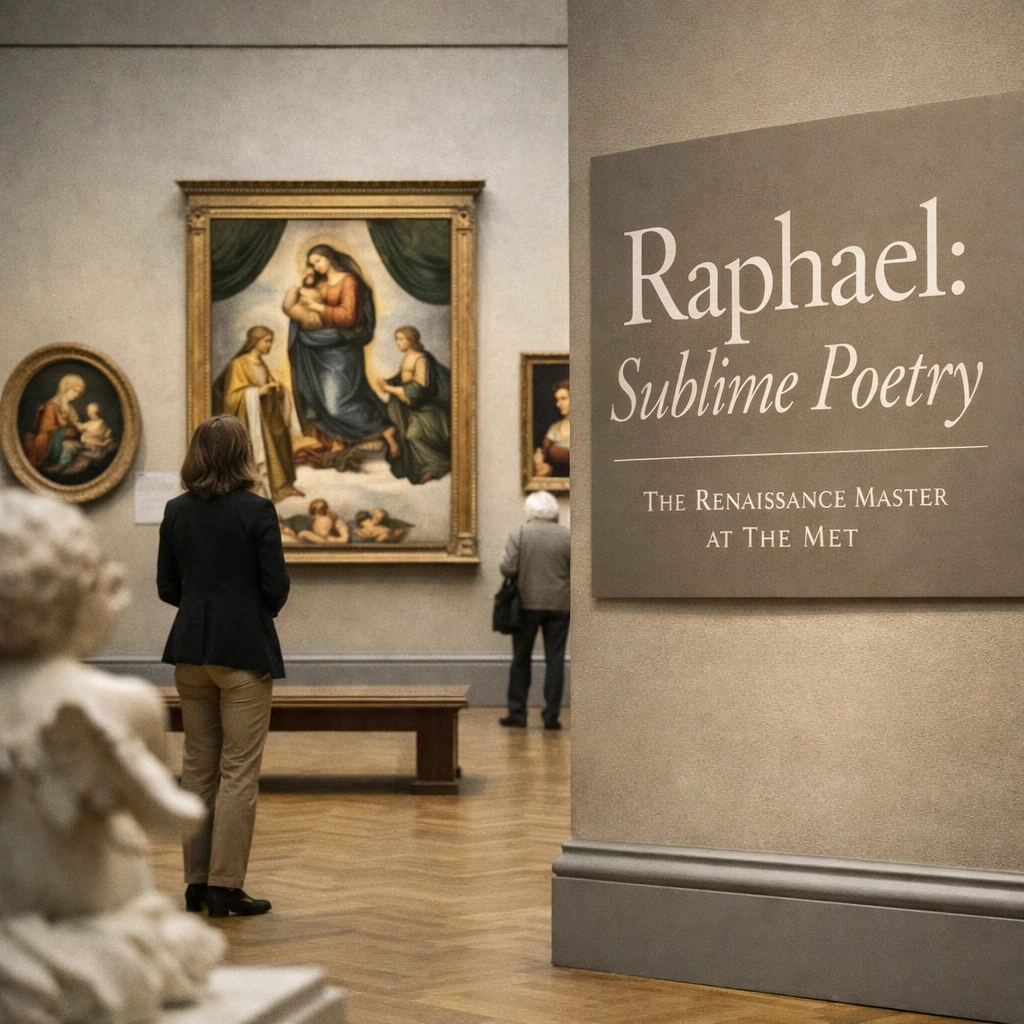



Search Results

EMAIL ADDRESS
LOCATED AT
Tribeca, New York City
Note: All tours will be conducted at your chosen museum locations.