
Raphael Art Historian: Sublime Poetry at The Met

Here's the truth about blockbuster exhibitions: They're exhilarating for art lovers and exhausting for everyone else. Wall-to-wall crowds, bottlenecked galleries, and kids asking "Are we done yet?" before you've even made it past the first room.
But what if I told you that the most important Raphael exhibition in U.S. history: opening at The Metropolitan Museum of Art this March: doesn't have to be a stressful slog through Renaissance masterpieces?
With the right strategy (and maybe a little insider help), "Raphael: Sublime Poetry" can become the kind of family cultural experience you'll actually remember fondly. Here's everything you need to know to navigate this once-in-a-lifetime show without losing your mind: or your kids.
What Makes This Exhibition Unmissable: Raphael Art Historian
Running from March 29 through June 28, 2026, "Raphael Art Historian: Sublime Poetry" is the first comprehensive exhibition dedicated to Raphael ever mounted in the United States. Carmen C. Bambach, the Marica F. and Jan T. Vilcek Curator in the Met's Department of Drawings and Prints, spent seven years assembling this landmark show: and it shows.
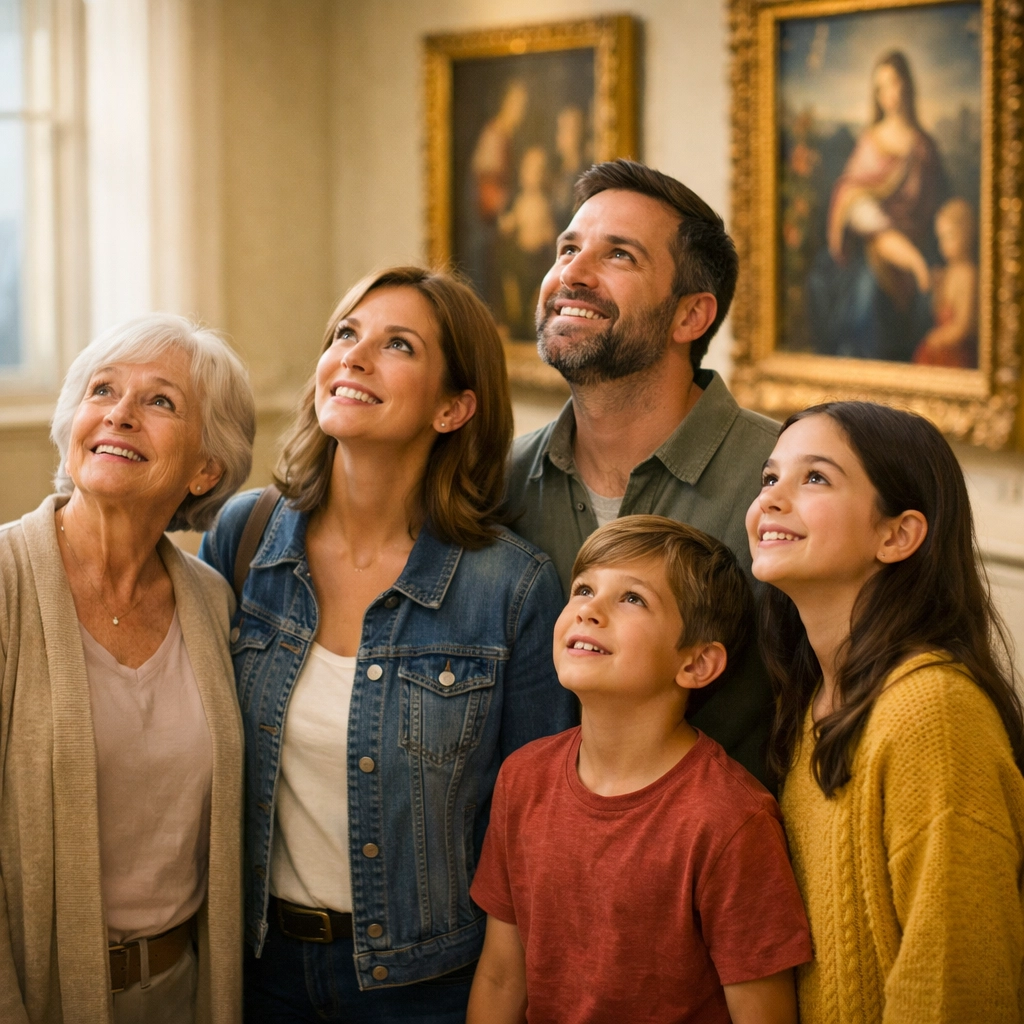
The exhibition brings together more than 200 works from public and private collections worldwide. We're talking paintings, drawings, tapestries, and decorative arts that trace Raphael's entire career: from his early days in Urbino through his rivalry with Leonardo da Vinci and Michelangelo in Florence, to his final decade at the papal court in Rome.
The crown jewels? The Alba Madonna from the National Gallery of Art and the Portrait of Baldassarre Castiglione from the Louvre: two works that rarely leave their home institutions. Seeing them in person, side by side with rarely exhibited preparatory drawings, is the kind of opportunity that won't come around again in our lifetime.
Why Families Should Care (Even If Your Kids Think Museums Are Boring)
I get it. Dragging reluctant tweens through a Renaissance exhibition doesn't sound like anyone's idea of a fun Saturday. But here's what makes this show different: Raphael was a storyteller.
Unlike some of his contemporaries who painted forbidding religious scenes, Raphael painted people: mothers with children, philosophers deep in conversation, women with genuine expressions. His Madonnas don't look like untouchable saints; they look like real mothers cradling real babies.
The exhibition also features state-of-the-art scientific discoveries that reveal how Raphael worked: think infrared images showing hidden sketches under finished paintings. Kids who zone out at traditional wall labels suddenly perk up when they can see the "before and after" of a masterpiece.
Plus, the show is organized chronologically and thematically, which means you can cherry-pick sections based on your group's interests. Have a budding artist? Head straight to the drawings. Fascinated by Renaissance court life? Beeline for the portrait section.
The Metropolitan Museum Guide You Actually Need: Insider Tips
Here's where decades of experience leading private museum tours comes in handy. Let me share the strategies that separate a chaotic museum visit from a memorable one:
Start with the 81st Street Entrance
This is our signature move. While tourists pile into the main Fifth Avenue entrance, smart visitors use the 81st Street entrance on the building's north side. It's less crowded, has shorter security lines, and positions you closer to the special exhibition galleries. For a show this popular, saving 20-30 minutes at entry means you'll have fresh legs (and fresh attitudes) when you reach the actual art.
Time It Right
Weekday mornings (Tuesday-Thursday, 10-11:30 AM) are your sweet spot. Avoid weekends entirely if you can: Saturday afternoons will feel like Times Square at rush hour. The exhibition is included with regular Museum admission, which means everyone will want to see it.
Use the "Highlights First" Strategy
With over 200 works, trying to see everything is a recipe for museum fatigue. Instead, identify your must-sees ahead of time:
The Alba Madonna (Gallery 899): Raphael's circular composition showing the Virgin Mary with Jesus and infant John the Baptist
Portrait of Baldassarre Castiglione: one of the High Renaissance's greatest portraits
The preparatory drawings for the School of Athens: seeing Raphael's working process is genuinely fascinating
Hit these first while everyone's still engaged, then let curiosity guide the rest of your visit.
Built-in Break Time (So You Actually Make It to Gallery 899)
I can tell you the make-or-break moment for families and small groups isn’t the first gallery—it’s the middle. That’s when energy dips, attention wanders, and even the most enthusiastic art lover starts speed-walking.
A quick heads-up: The Met’s Dining Room is currently closed for construction, so don’t plan your “midway coffee reset” around it.
Instead, build in a 10–20 minute pause at one of these easy, low-stress options:
American Wing Café — a reliable, family-friendly stop with room to regroup before you head back into the galleries.
Balcony Café — a great alternative when you want a quieter moment to sit, snack, and reset.
These spots are perfect for families and small groups—strollers, kids, grandparents, and anyone who needs a breather. And the best part? A planned break keeps the visit feeling smooth and guided, so you can move confidently from the 81st Street entrance all the way to Raphael in Gallery 899 without the classic “museum meltdown” in between.
How Private Tours Transform the Experience
Look, you can absolutely visit "Raphael: Sublime Poetry" on your own. But here's what you'll miss: the context that makes Renaissance art click.
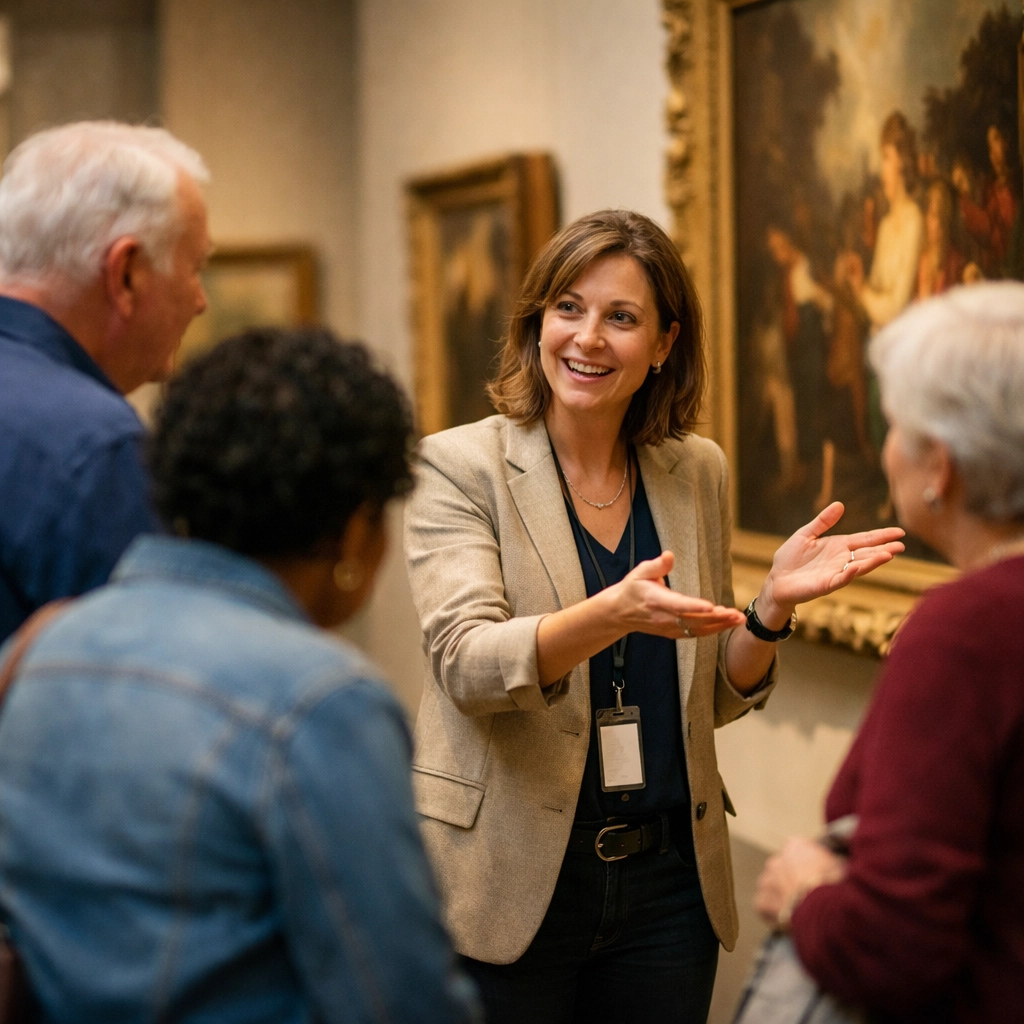
When our guides: many of whom are former Met curators or current staff: walk you through this exhibition, they're not reciting Wikipedia entries. They're explaining why the Portrait of Baldassarre Castiglione revolutionized portraiture, how Raphael's use of female models scandalized Rome, and what those scientific discoveries reveal about his creative process.
They also know which galleries get congested and which alternative routes keep your small group moving. They can answer your teenager's question about why Renaissance babies look so weird. They know which drawings to linger over and which to appreciate from a distance.
For NYC museum tours with families or small groups, this kind of customized pacing is everything. We're not trying to cover every square inch of the exhibition: we're creating an experience tailored to your group's interests and energy levels.
Making It Work with Kids: Age-by-Age Strategies
Ages 5-8: Focus on storytelling. Raphael's paintings are full of narratives: mothers with babies, angels, dramatic biblical scenes. Frame it as a treasure hunt: "Can you find the painting with the goldfinch?" (Spoiler: It's likely in the Florence section.)
Ages 9-12: Play up the rivalry angle. Raphael competed directly with Leonardo and Michelangelo: three artistic giants working in the same cities at the same time. That's the Renaissance equivalent of a Marvel showdown.
Teens: Lean into the technical aspects. The preparatory drawings showing how Raphael developed compositions, the scientific imaging revealing his working methods: this is the stuff that engages analytically minded teenagers who think art museums are just "looking at old paintings."
Small Adult Groups: Split your time between the major masterpieces and the lesser-known works where you can actually get close without elbowing strangers. Some of the most moving pieces in this show will be the intimate drawings and portraits that reveal Raphael's humanity.
Practical Information for Your Visit
Exhibition Dates: March 29 - June 28, 2026
Location: The Metropolitan Museum of Art, 1000 Fifth Avenue (at 82nd Street), New York, NY 10028
Admission: Included with regular Museum admission
Our Recommendation: Book a private tour 3-4 weeks in advance. Spring is peak season for NYC museum tours, and this exhibition will only intensify demand.
Tour Length: We typically recommend 90-120 minutes for families, 2-3 hours for serious art enthusiasts.
Why This Exhibition Matters Beyond the Art History
Here's something Carmen Bambach emphasizes in her curation: Raphael died at 37. He accomplished all of this: the masterpieces that influenced Western art for centuries, the papal commissions, the architectural projects: before he was 40.
There's something profoundly moving about standing in front of work created by someone who packed so much beauty and innovation into such a short life. It's a reminder that art isn't just about technical skill or historical importance: it's about human creativity at its most urgent and alive.
When you bring your family or small group to see "Raphael: Sublime Poetry," you're not just checking off a cultural obligation. You're showing them that five centuries ago, someone created something so powerful that people are still lining up to experience it.
Ready to Skip the Stress and Embrace the Sublime?
The difference between a forgettable museum visit and a transformative one often comes down to preparation and guidance. You wouldn't hike Machu Picchu without a guide who knows the terrain: why tackle one of the art world's most significant exhibitions without someone who can help you navigate it?
Our expert team specializes in creating customized family museum tours that work with your schedule, your interests, and your energy levels. We know the Metropolitan Museum Guide secrets that keep you away from the crowds, and we understand how to make Renaissance art engaging for everyone from first-graders to grandparents.
Whether you're a New York family looking for meaningful cultural experiences or visitors planning your spring NYC museum tour itinerary, "Raphael: Sublime Poetry" deserves more than a hurried walk-through.
Ready to book? Here's a page to get you started. Or explore our other customized museum experiences throughout the city. Because the Renaissance may be five centuries old, but the joy of experiencing it together? That's timeless.


Comments